The Golden Era of 1990s hip-hop produced albums that went beyond radio hits and became sociological records of urban America. Few fit that description better than The Notorious B.I.G.’s landmark 1994 debut, Ready to Die.
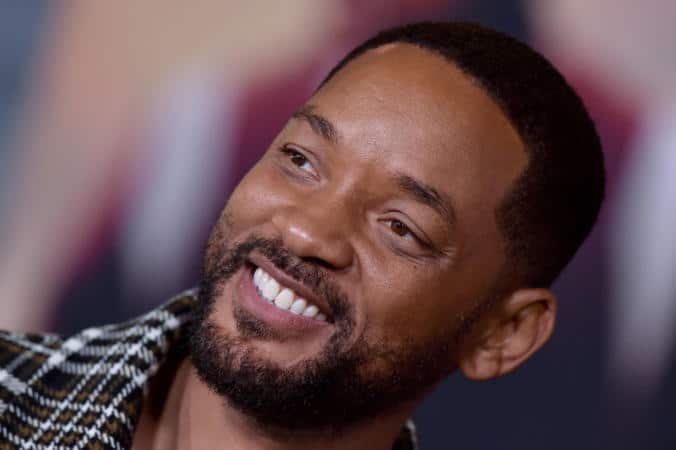
Now, previously shared comments from Will Smith about the album have revived conversation in the hip-hop world, underscoring the stark difference between Smith’s wholesome public image and the raw, unfiltered pain captured in Christopher Wallace’s music.
A Study in Psychological Realism
In earlier reflections on classic rap albums, Smith lauded Ready to Die as more than entertainment, calling it a deep psychological portrait of young Black men coming of age in Brooklyn amid poverty, paranoia, and institutional neglect. He said the album deserves a place in university psychology courses, describing it as one of the most truthful portrayals of depression, despair, and the instinct to survive ever put on record.
Songs like “Everyday Struggle” and the chilling closer “Suicidal Thoughts” exposed the mental toll of street life, subjects mainstream media rarely addressed in the mid-’90s. To Smith, Biggie’s genius was his ability to convey complicated emotions with cinematic clarity.
Why His Wording Still Draws Attention
Although Smith meant his remarks as high praise for Biggie’s storytelling, the way he framed them has drawn mixed responses over time:
Clean versus explicit: In the ’90s, Smith, then known as The Fresh Prince, kept his music free of profanity, creating a sharp contrast between his commercial pop-rap and Biggie’s gritty honesty. Some fans find it ironic that a sanitized pop figure is analyzing such explicit street reporting.
Academic distance versus lived experience: Critics argue that treating Ready to Die purely as a case study risks clinicalizing real trauma, turning survival and existential dread into a textbook exercise.
Lasting cultural impact: Supporters counter that Smith was ahead of his time, recognizing hip-hop as serious literature and psychological truth long before universities regularly offered courses on artists like Tupac Shakur, Kendrick Lamar, and Biggie himself.
The Legacy of Ready to Die
Over three decades on, Ready to Die remains a cornerstone of hip-hop storytelling. Whether seen as a raw street narrative, an artistic triumph, or, as Smith put it, a psychological blueprint for surviving pressure, Biggie’s debut still commands serious analysis and respect.